Independent music and cinematography in the best venue


THE MUSIC
CHANGE
FOREVER WITH
A98APP
NEW ARTIST

As a producer and researcher, she has spent years studying Afro-diasporic and Mediterranean rhythms. Through her Böitaapedia project, she is working to get more information about African music out there in the Spanish-speaking world. This research lets her bring shaabi and bachata together in PAPEL while keeping both styles real.
The result is a top-notch production that avoids the usual world music stuff. There's a clear story, a concept, and a strong identity. Böitaari, who plays many instruments and produces her own music, carefully builds each layer: hard-hitting urban percussion, Caribbean-like melodies, and vocals that go between sensual and vulnerable.
PAPEL is an upbeat breakup anthem. A song for dance floors everywhere but full of cultural memory and musical knowledge. It’s rhythm that moves your body and words that make you think. It's tradition reworked without asking permission.

The tune matches that inside process. The way it's made goes ahead carefully; it doesn't overwhelm, it just Wraps you. The sounds grow gently, the intensity trickles bit by bit, as if sorting through emotion will match sound. It’s a piece that makes you look inward more than distract you.
Someone To Love Me matters because it balances personal and general. Even though it's from his own experience, anyone who’s had to rebuild after a relationship where they got hurt can relate. The song doesn’t overdo the drama; it names the pain, walks through and learns that one thing. That’s why it sticks with you. That's why listen to it more than once.
This release is part of what Mayes has been processing in his career, focusing on recognition, growth, and change. Having put out music for James Malaga, he's back with his name, artistic and refreshed self. His work mixes movie-like sounds with bass-driven electronica, making songs that feel both big and personal.
His convictions are clear in each production: changing hard experiences into something helpful. He is not just about making music, but to give a space to people who can feel, think and reconnect.
NEW ARTIST

Made as a thank you to true love, this album feels like a fresh start and spiritual comfort. Levi Sap Nei Thang's music isn't about being a quick flash in the pan, but about really through to people. Her words gently share the message of Christ's never-ending love. In a world that's often loud and broken, these songs give a calm space where you can almost touch peace, and where your heart can find a reason to get better.
The person behind this is a artist, songwriter, and poet who feels things deeply. The heart of her work is a strong humanity that touches people's souls, turning her own experiences into words that comfort others. Levi Sap Nei Thang doesn't just make music; she shapes a warm, real home with her words and voice, where faith and life meet to lift up anyone who listens.
Apollo1
NEW ARTIST
Apollo1's words aren't just lines; they're stories about fighting inside and then getting free. The song gets that feeling of being truly alive and free because of love. It hits listeners hard and lasts. The artist is honest, which is refreshing. Their music is real and gives comfort to people looking for art that mirrors their problems and wins.

Apollo1 is from Raleigh, North Carolina, and is a fresh voice in the US music world. His talent is obvious in every note of this original song, mixing touching words with catchy music. He just signed with SoundPulse, starting a time where his unique view and talent for telling real stories should make a big impact on the music world.
Still Alive came out on February 9, 2026, a big point for this singer. More than just a release, it showed off a musical skill that wants to touch people with realness. Apollo1 is best when he gives it his all, turning pain and hope into a survival song that goes past regular music types.
ALYNA
NEW ARTIST

ALYNA’s artistic identity is thanks to influences like Jhené Aiko and Kali Uchis, but she finds her own path with thoughtful lyrics and gentle harmonies. Her songs are like studies of self-love and healing, always moving with a clear goal: to balance being open with being strong. This lets her songs be honest shelters, where listeners can find themselves in the cracks of her words and the softness of her tunes.
This creative path isn't by chance, but from a calling that started at twelve as a way to work through life. For ALYNA, music has always been how she translates the world, a way to let things out that she's spent years perfecting. In a world full of noise and fake fronts, she chooses to rely on total honesty, creating pieces that feel down-to-earth but also have the lightness of a dream.
This artist's plan is a reminder that the most powerful strength often lives in calmness. By putting what’s natural and real first, ALYNA asks her fans into a space of peace and spiritual refresh. Flow isn't just a song, but a statement about how to live from a place of truth, making its creator one of the realest and most needed talents in R&B right now, able to turn the everyday into something special.
NEW ARTIST
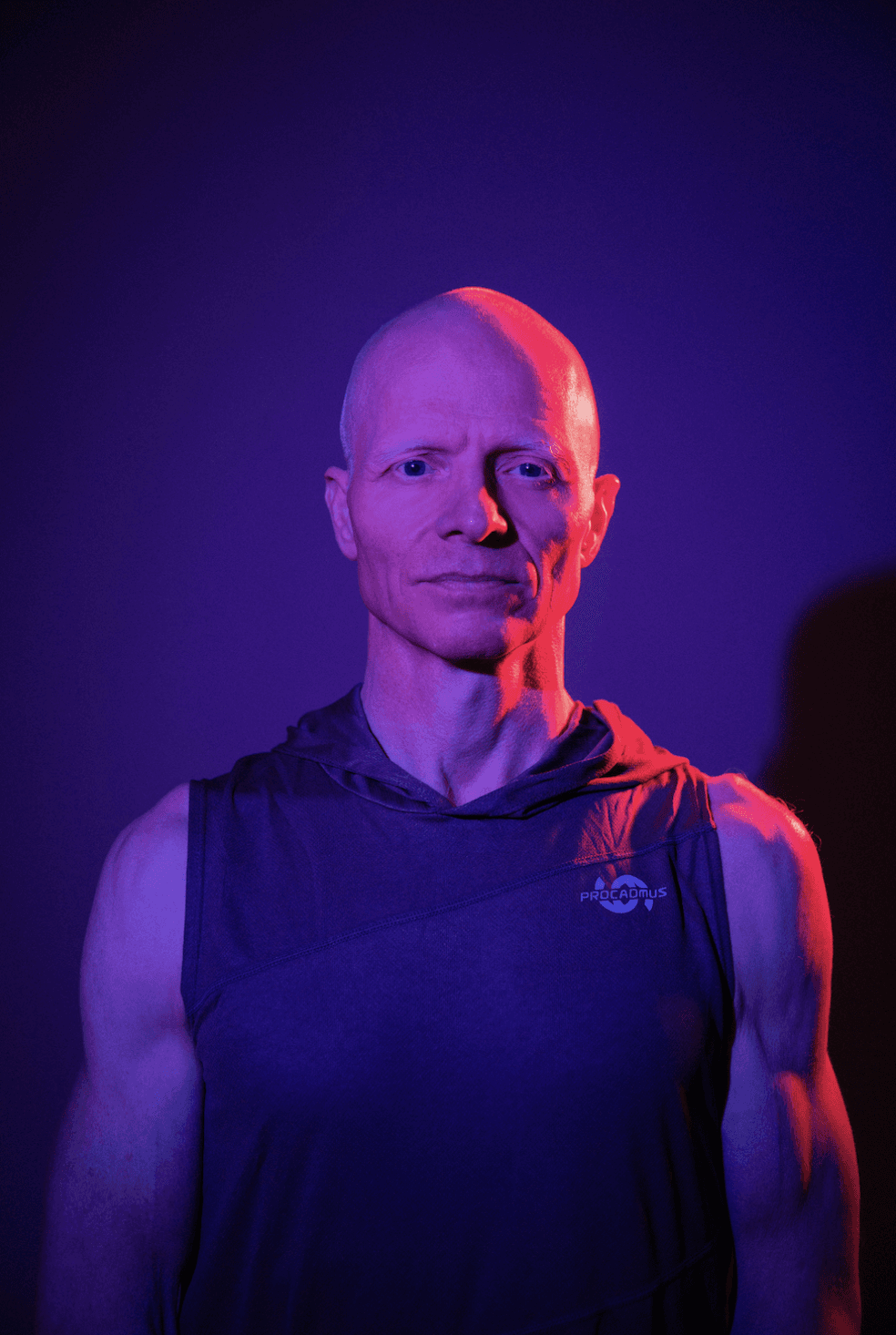
Now, instead of looking inward, his music points out the problems in our cities with a bit of British sarcasm. He's got a sharp eye, and he's talking about phone thefts by people on bikes and scooters, which is a growing issue in big cities. What could be just a rant becomes a smart, funny song that dissects modern chaos with a cynical smile and a beat that makes you listen.
50mething's got this cool ability to see everyday stuff – and sometimes politics – with humor and social commentary. His tracks are like snapshots of our time, capturing the stress of modern living but keeping a playful vibe that only someone who's lived many lives can have. It's music that makes you think while you enjoy the sound, making him someone you need to hear if you want something real in a world of fakes.
In the end, his story reminds us that creativity doesn't have an expiration date. By releasing his music bit by bit, 50mething is building something that links his past of dancing and building to his present of synths and honest words. Getting into music is his act of rebellion and hope, proving that at 58, the ride isn't just continuing, it's just getting to the loudest, most exciting part.
NEW ARTIST
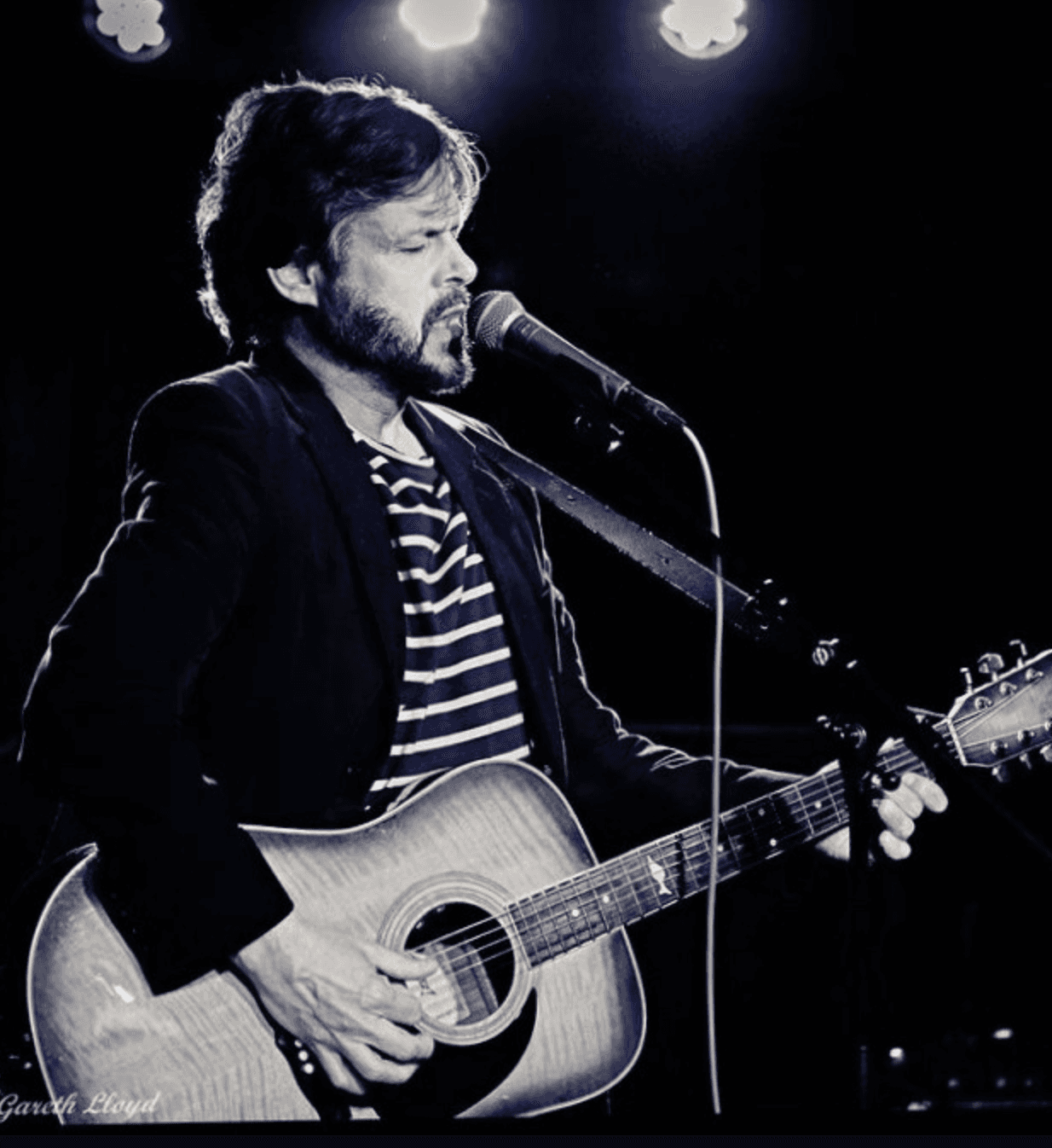
David Goundry's story is about getting back into music. After living in Italy for ten years, he felt totally out of the music loop. But a personal problem in 2017 made him want to return. Since then, David has been making up for lost time by making lots of music. His first EP, Time and Place (2021), showed his talent and was played on over 200 radio stations worldwide, like the BBC and Planet Rock. It also got on many playlists in the US, Australia, and Europe. Even though some people might say he started late, Goundry's experience makes his songwriting real and good. Lucy (Remix 2026) is the result of all that experience, connecting the London of the 60s and 2026. With this song, Goundry is honoring his old-school heroes and is becoming an important voice for people who think music should have soul to last.
NEW ARTIST
In today's crowded metal scene, not many bands nail human emotion with the raw power and grace that Baby and the Beats, from Belgium, do. Their latest track, Letter from a Soldier, isn't just another song; it's a musical story, a real feeling war and love chronicle. The song puts us in the trenches of Ukraine, where a soldier, after fighting the enemy for months non-stop, pauses to write a letter to his wife, who he hasn't seen in ages. What comes from that idea is not just music, but a gut-wrenching cry, a lament born from being worn down, but turning, bit by bit, into a tribute to the determination and unbreakable hope of someone who won't be beaten.

But Baby and the Beats isn't a band that wants distant praise. Hailing from Belgium, they've built their identity on being connected with their fans. Their style is inclusive; they make songs to be sung along to, inviting listeners to add their own voices to the complex and global harmonies that come from the stage. It's metal with a purpose, where Stefano's strong riffs and Cassandra and Patrick's melodic power come together in a sonic hug that aims for group catharsis
This third single follows Your Revolution and The Beat, solidifying an artistic path that will hit its peak in September 2026 with their much-awaited first EP. With Letter from a Soldier, the band shows that even in the darkest and most hopeless times in human history, there will always be room for music as a safe place and a weapon of resistance. It's a call not to give up, to feel the weight of distance, and, in the end, to find the strength to keep fighting in harmony.
NEW ARTIST
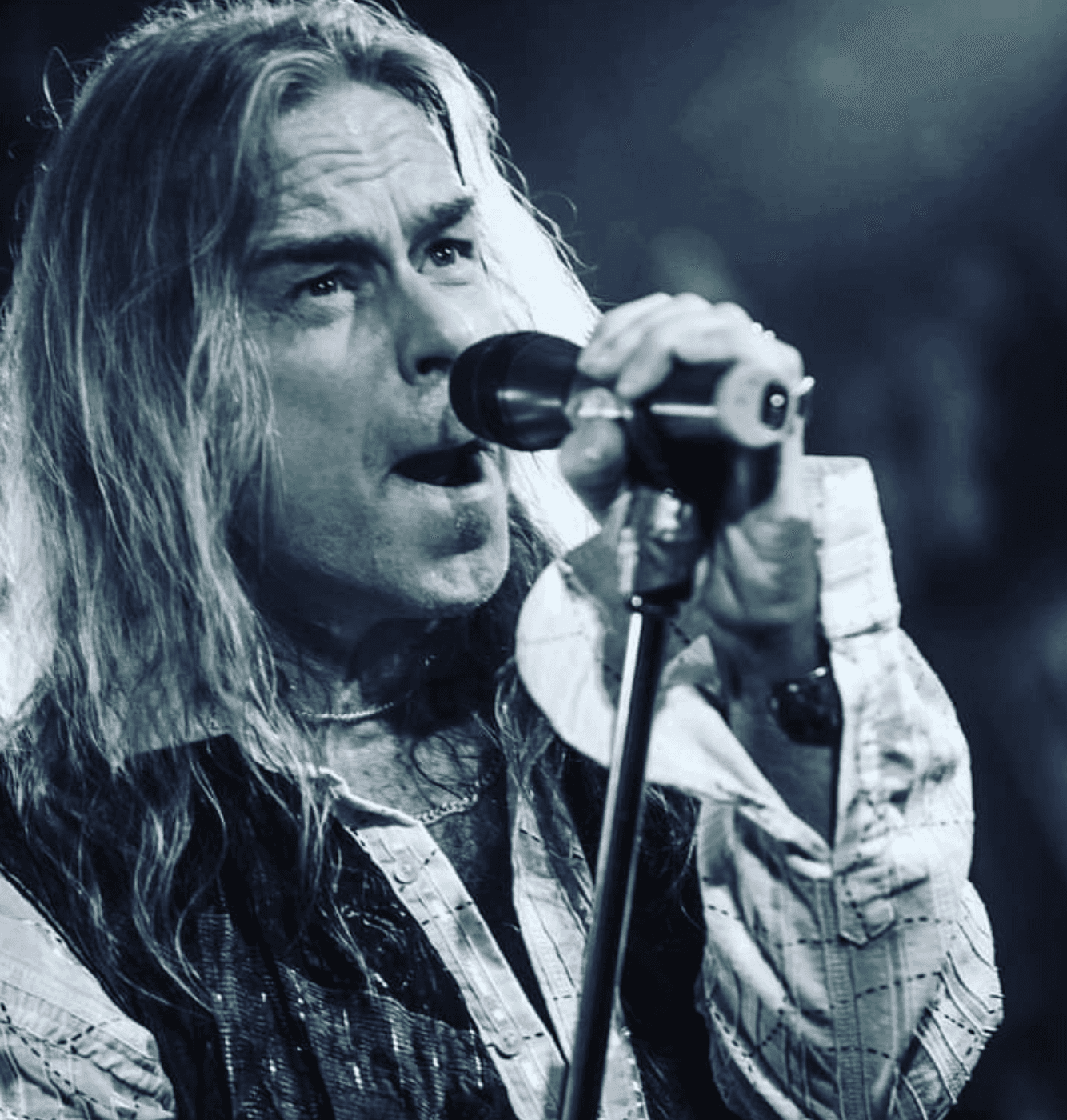
Another notable track on the EP is “Time,” which reflects on how fleeting time is and how our experiences shape the way we see life. With a gentle melodic touch, the song encourages listeners to pause and consider the inevitable passing of years.
Recorded in Sweden, the project came together through remote collaboration among several musicians. The EP features Peter Gillström and Mikael Dahlin on guitars, Pelle Karlsson on Hammond organ and keyboards, Tobbe Moen on bass, and Martin Eklöf on drums.
The result is an EP that blends experience, sensitivity, and a natural production style, with each musician adding their own layer to the final sound. With Chasing the Dragon, Brian Bee Frank opens a new chapter in his career, offering songs meant to connect beyond just the present moment.
NEW ARTIST

From a young age, shy as a child, he found music to be a vital way to express himself, especially when words weren’t enough. He started writing his first songs and sharing them on platforms like BandLab, YouTube, and SoundCloud. His goal wasn’t perfection but simply to share what he felt. His professional career officially took off in September with the release of his first single, Cœur Wanted, a pop-rap track mixing personal lyrics with memorable melodies. Through his music, Jeremie aims to build a real connection with his listeners and inspire others by sharing his own story.
NEW ARTIST
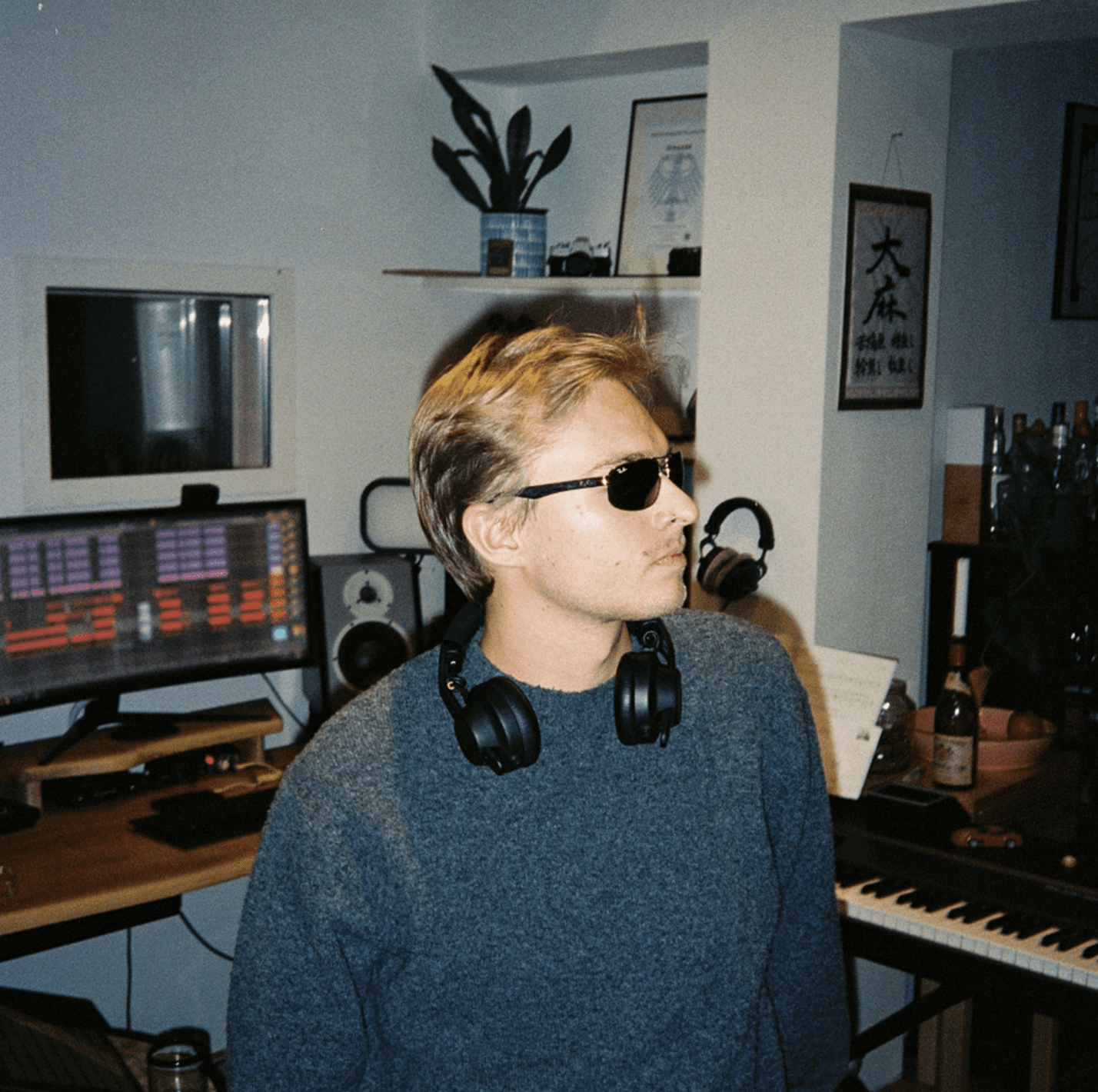
In a market like Germany’s, still heavily influenced by major record labels and mainstream pop dominance, truly independent and multidisciplinary projects are rare. That’s where lennycool becomes important—not just for what he does, but how he does it. He doesn’t follow trends; he often sees them coming first. His new single, “Circus,” is a clear statement of his intent. Driven by the raw energy of Drum and Bass and the textures of Jungle, the track blends English and German to dive into the emotional chaos of today’s complicated relationships—those “situationships” where intensity mixes with uncertainty. But “Circus” isn’t just a song to listen to; it feels like a moving scene. It’s both club and film, rhythm and story, impulse and thought. At a time when artists like Travis Scott go beyond music to work with iconic brands, and Pharrell Williams is changing the idea of luxury through creative direction in fashion, it’s clear the future belongs to those who see art as an ecosystem. lennycool stands for this new generation—creators who don’t separate disciplines but bring them together in a unified vision. “Circus” isn’t just a standalone project; it’s part of a growing artistic identity. One that connects scenes, cultures, and audiences without borders. One that comes from the meeting point of Europe and Asia, of the visual and the sound, of the personal and the collective.
Inspired by a sensitivity that values feeling over form, the album unfolds through subtle, hypnotic arrangements where every detail seems intentional. The vocals, full of vulnerability, don’t try to dominate but rather to support. In that balance between fragility and beauty, Held by the Tide builds an intimate, almost contemplative soundscape.

The album comes from a genuine curiosity about emotions: how they change, stay, and shape us. Throughout its tracks, Gravitide takes a personal journey that doesn’t close off but encourages listeners to find their own meaning. It’s music that doesn’t give answers but makes room to feel more deeply. Songs like Lingering Light capture a warmth that feels almost frozen in time, while When My Heart Knew explores a softer reflection where memory and intuition blend together. These tracks stand out as key moments, showing the mix of wonder and thoughtfulness that defines the album. A unique part of making this project was working with Suno, a creative tool based on artificial intelligence. It helped Gravitide turn thoughts, feelings, and inner images into immersive musical structures. Rather than taking away the human touch, this partnership adds to the album’s emotional depth, acting as a link between ideas and the listening experience.
Made in his own Heritage Studios—a space built from scratch on Bidjigal land—this song marks a shift from his usual downtempo explorations, moving into a more tense and challenging area. Here, mkDUBBY blends leftfield electronic dub with experimental spoken word, creating an experience that hits both physically and emotionally.
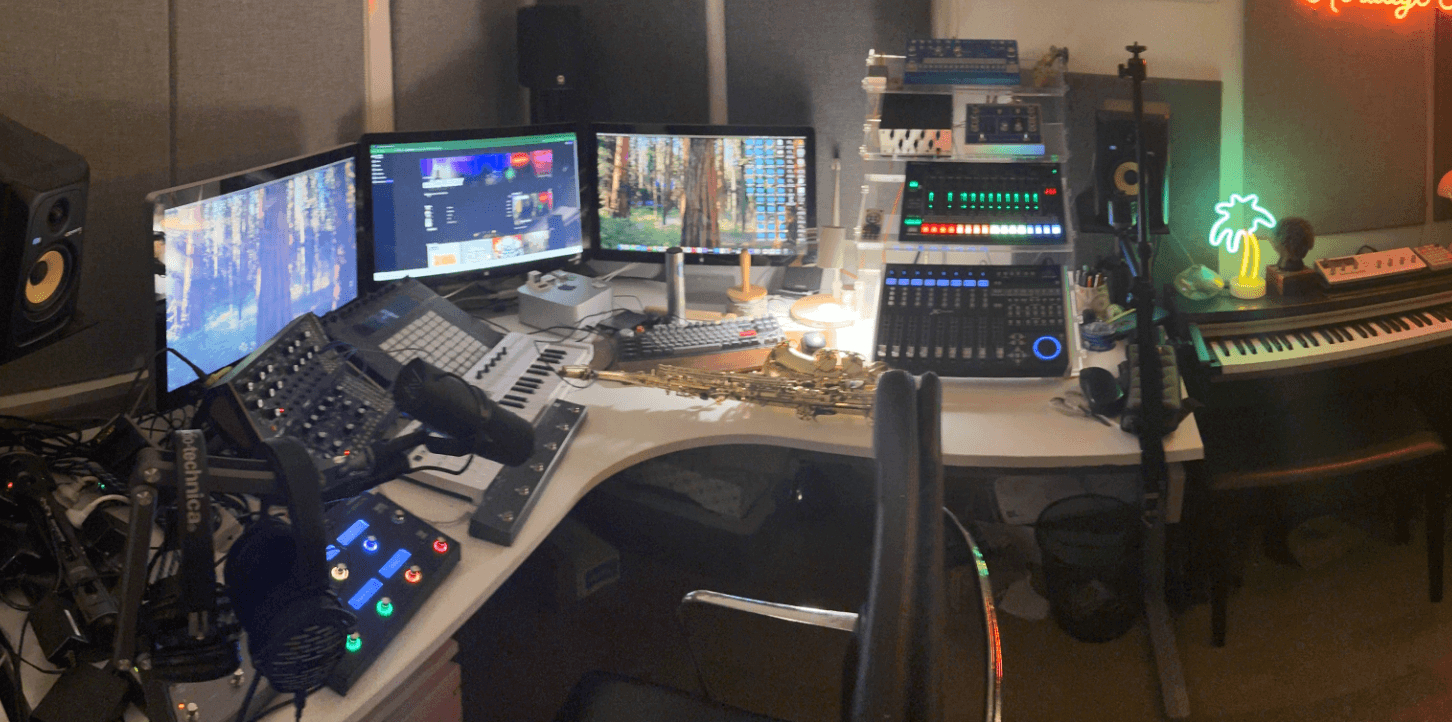
The rhythm in Coming Undone is steady and almost hypnotic, with dub echoes serving as the backbone. But what really stands out is its narrative side: a voice that doesn't just recite but becomes part of the sound. Through this, the artist digs into the fragility of personal and social systems, contemporary isolation, and the ongoing struggle between inner collapse and the chance for release.
MkDUBBY’s sound identity is clear and precise. Analog textures from modular synths mix with percussion, field recordings, and organic elements like live saxophone. This mix isn’t about polished perfection but about building living atmospheres that constantly shift.
What sets mkDUBBY apart in the emerging electronic scene is his ability to move through different genres without losing coherence. His sound sits between trip-hop, ambient, and experimental dub but avoids being boxed in. In Coming Undone, this creative freedom comes together as a balance between order and chaos, control and letting go.

There are also two moments that hint at what’s coming next. Baile de Máscaras has a lighter vibe, almost bossa nova, which wasn’t so obvious in their previous work. And Beers & Bad Lies (Acoustic) feels more like a rough preview of Psychedelika Pt.2 than a standalone single. What Kane does here isn’t “acoustic just for the sake of it.” It’s about showing the core without hiding it. If the song works like this, it’ll work in any format. And that says a lot. After their return with The Tales Of Morpheus, which was much more layered and visual, this takes the opposite route. Simpler, more direct.

One of the most compelling parts is “Every Second Counts,” where the repeating echo of “tick tock ticking clock” becomes a haunting mantra. The song doesn’t just talk about time—it makes it real and almost heavy, reminding us how fragile every moment is and how quickly it slips away. On the other hand, “Pillow” carries a more direct and raw energy. Here, NUDNIK blends the power of alternative rock with an emotional sensitivity that comes through in every chord. It’s a track that offers a kind of refuge amid the noise, like a sound embrace for those carrying invisible burdens. Beyond individual tracks, what stands out is the album’s unity. There’s a clear aim to build atmospheres that pull the listener into a space where music, story, and feeling come together. The guitars hover somewhere between airy and rough, and the overall beat keeps a steady pace that guides without rushing. NUDNIK doesn’t offer easy answers. This project lives in the questions, in the cracks, in that uncertain place where the personal turns universal. That’s where the album’s real strength is—connecting from a place of honest reflection, without any gloss or shortcuts. Under The Underground is more than an album. It’s a deliberate dive into what we usually avoid facing: time passing, our own fragility, and the urgent need to find meaning amid the chaos.
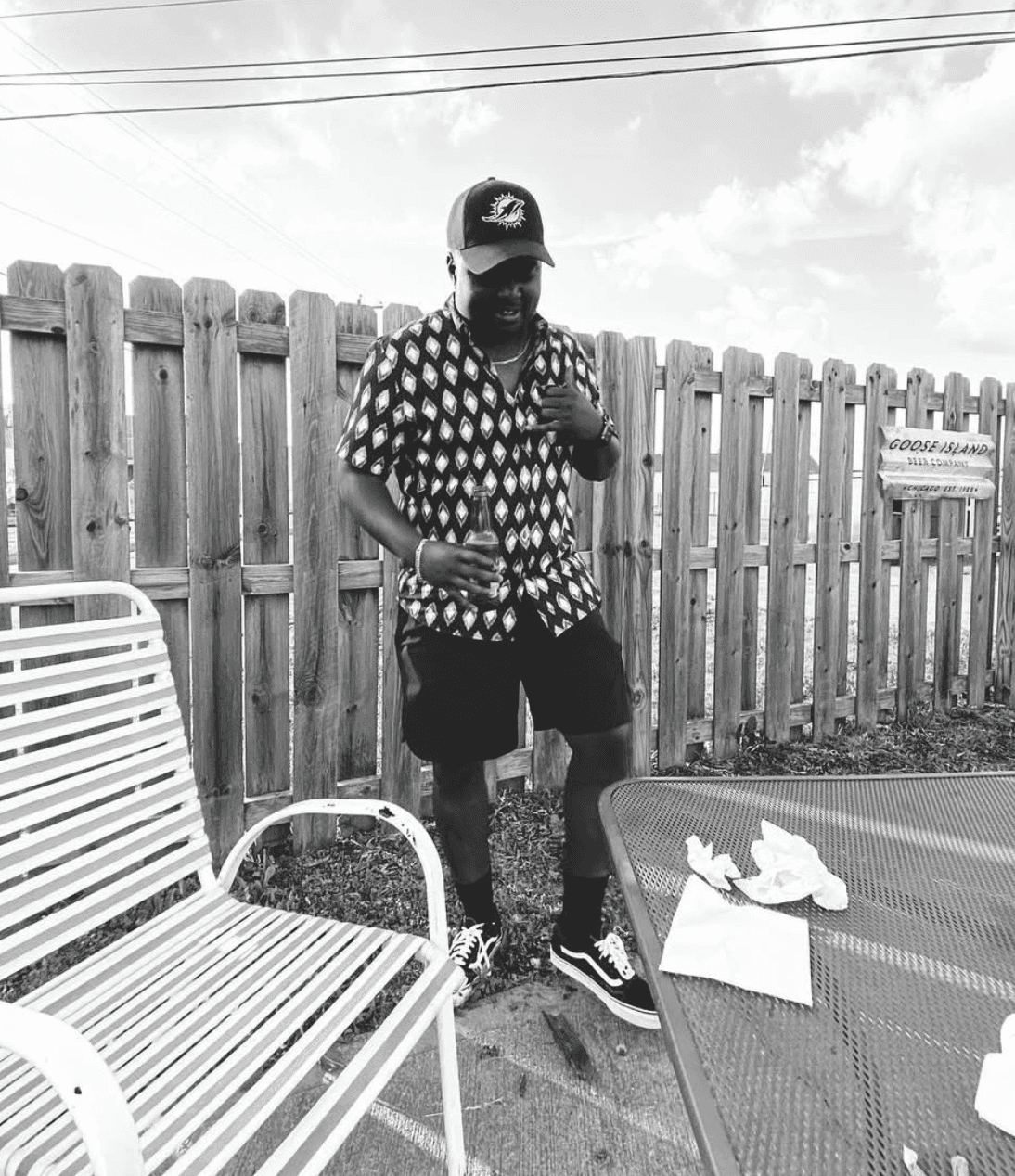
Beyond the studio, Larry Mossburg is someone who comes alive on stage. With shows coming up — including a much-anticipated return to Ohio this summer — he aims to make his music a lively, direct experience. His charm, combined with memorable lyrics, puts him among emerging artists who want not only to be heard but also remembered.
In a crowded music scene, Larry stands out because of his genuine approach. Everyday is more than a song; it’s a statement of identity and a first look at an artist building his path with his own personality and a sensitivity that reaches straight to the heart.
Steering clear of genre excess, Down stands out for its gradual development. Each sound layer arrives with care, unfolding in a way that feels almost natural. The melodies come in slowly, wrapped in warm, deep textures, while the rhythm maintains a steady flow that doesn’t need to rush to make an impact. This is music that breathes, moves with purpose, and finds strength in subtlety.

Fleanger’s essence shows up in this balance—a mix of minimalism and feeling. Instead of piling things up, he builds soundscapes that invite you to look inward. You can hear the influence of the European electronic scene, especially cities like Berlin and Paris, where music is not just played but experienced fully.
More than a simple EP, Down works like an inward journey. Every transition hints at movement, every silence matters, and each progression deepens the feeling that you’re going beyond just the dance floor. It’s a piece that speaks to both personal solitude and the shared energy of night gatherings.
At the same time, Fleanger expands this vision through his label, Tiefe Resonanz Records, a place where selecting music becomes an artistic statement. Here, the focus isn’t on trends but on authenticity: sounds that connect emotionally and keep a clear identity within the scene.
With Down, Fleanger confirms his role as a builder of atmospheres—a creator who knows that in electronic music, the most powerful moments aren’t always the loudest, but those that form slowly and stay with you.
This isn’t just another release. X’O comes from a deeply personal place: therapy, facing emotional emptiness, and the urgent need to feel again. The project doesn’t hide where it comes from; instead, it makes that the creative center. Each track acts like a piece of that internal journey, turning music into a way to heal rather than just sound.

Sound-wise, the EP has a raw analog energy, with warm but straightforward electronic textures that feel physical. There’s rhythm and movement, but also an emotional weight running through every layer. This isn’t music meant only for the dance floor; it’s music that breathes, hurts, and at its best, frees.
What stands out about X’O is its aim to reconnect. Not just with yourself, but with others—friends, moments, feelings that used to be clear but got blurry over time. The EP moves between looking inward and opening up, between feeling alone and wanting to be part of something again.
Yakob’s journey in electronic music has had support from key figures and platforms in the scene, helping shape his sound without losing who he is. His work as a co-writer on collaborations shows a creative openness that keeps his style flexible but consistent.
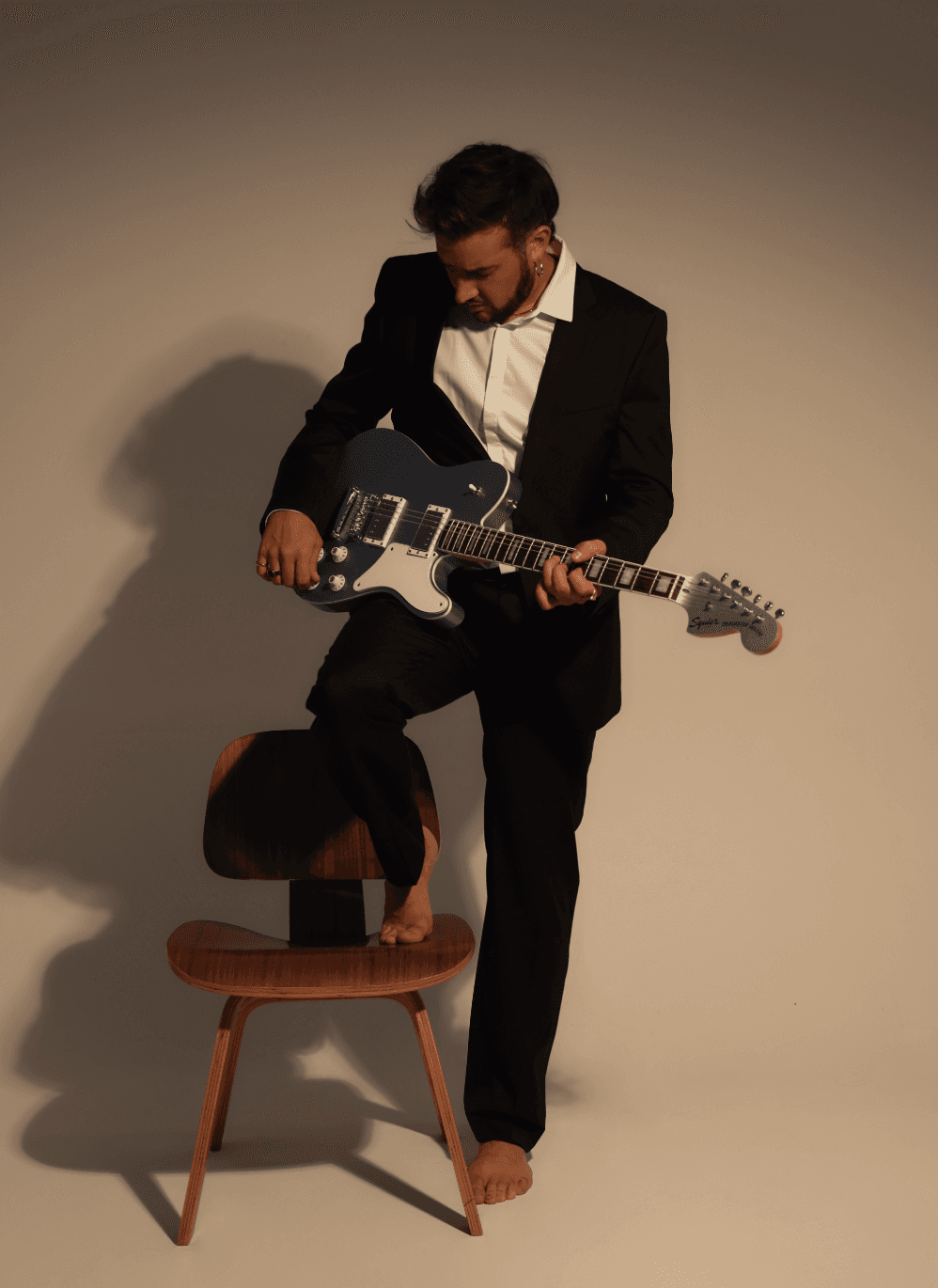
The project is led by Francisco Saglietti, who is behind Francisca, an artistic identity that goes beyond the individual and becomes a collective space with Los Exploradores. His story starts far from big cities—from Córdoba to Buenos Aires—a journey that was about more than just geography; it was a creative transformation. After working with the band Los Globo, Saglietti began shaping his own voice, which found its truest form in Francisca.
Their first album, Barbuda, recorded between Córdoba and Buenos Aires and released independently, marked the start of a path that has stayed true to their core. With Ra, they defined their identity more clearly and took a big step when they played at Lollapalooza Buenos Aires in 2016, securing their spot in the Argentine indie scene.
Over the years, the project has balanced experimentation with emotional depth. From albums made quickly with producer Adrián Dárgelos to collaborations with artists like Julieta Venegas and Fito Páez, Francisca y Los Exploradores built a diverse catalog where indie, pop, and folk blend with poetic expression.

The composition features a prepared piano and gentle layers of strings, unfolding with a calm, almost meditative pace. There’s no rush. Everything takes place in an expanded time frame, where a repeating motif slowly shifts, changing its emotional tone without losing its core. It’s in these small changes that the piece finds its depth—moving very little but saying so much.
Far from being dramatic, “What We Lost II” relies on restraint. Every note feels deliberate, every silence counts. The music doesn’t try to dramatize loss but rather to observe it, surround it, and understand it through stillness. It’s more like remembering than just listening.
This sensitivity makes sense given Townshend’s background. He has worked closely with filmmaker Terrence Malick on projects like The Tree of Life, where music and image have a contemplative dialogue. But in his own work, he allows himself a different kind of freedom: creating music that stands on its own, without an explicit visual story.
His style sits between contemporary music, ambient, and cinematic sounds, but resists being confined by labels. He clearly focuses on space and breathing in the music, giving the feeling that each sound comes from something deeper than technique alone.
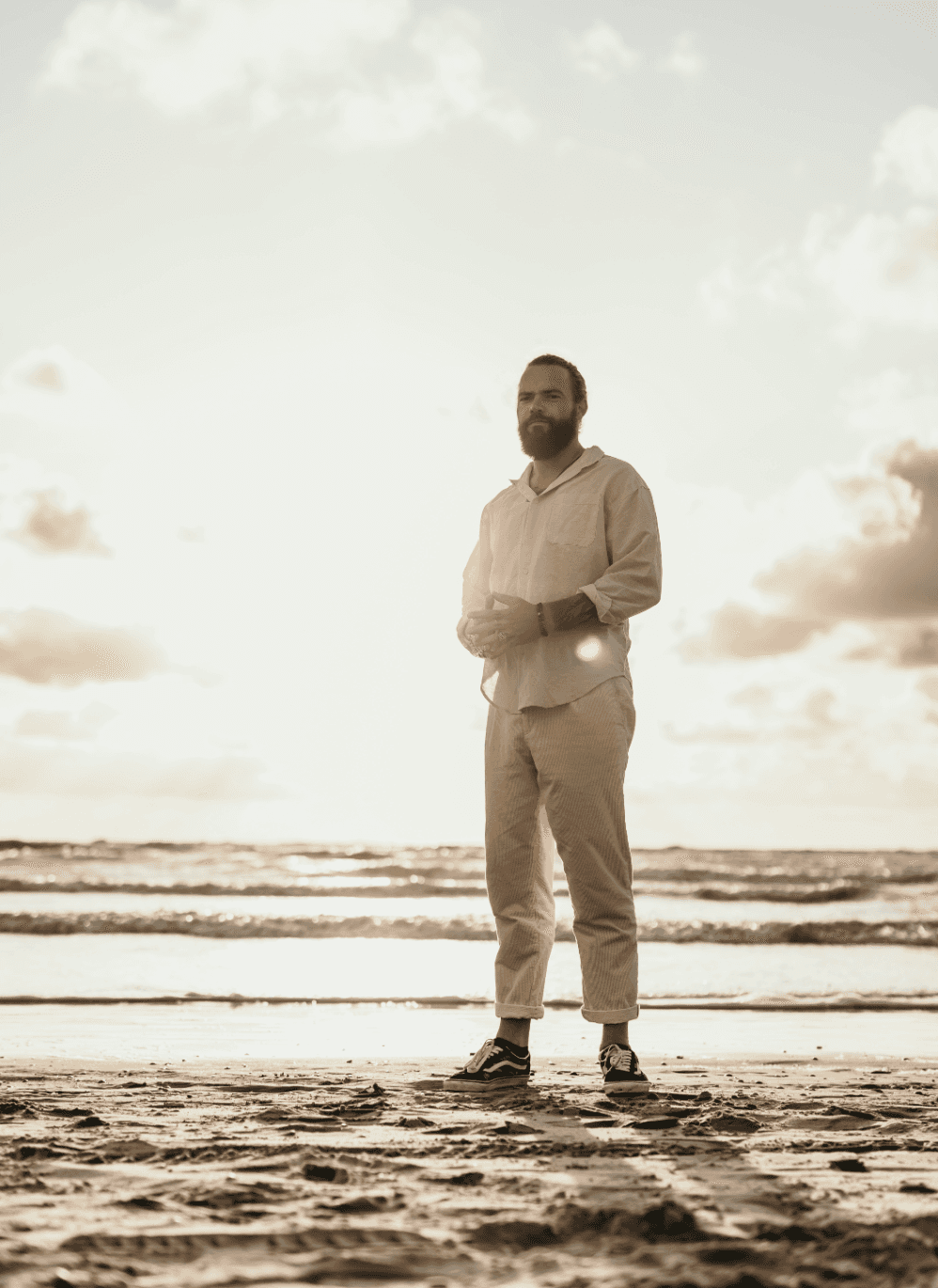
Within this scene is Mario Navajo, an artist whose path shows a natural evolution. Growing up in Fulda, he first got into music through hip hop and rap, developing a warm and strong vocal style. Over time, though, his interest shifted toward new soundscapes.
This move into electronic music was gradual, not sudden. In genres like deep house, afrohouse, and tech house, Mario Navajo found a way to reinterpret his musical sensitivity from a different angle—less focused on lyrics, more on texture, rhythm, and mood.
The sound he creates doesn’t abandon his roots but weaves them in. His work has a solid rhythmic base but also carries emotional intent drawn from his background as a vocalist. This blend lets him make tracks that work both on the dance floor and in more thoughtful listening settings.
In this framework, MYR acts not just as a label but as a catalyst. It’s a space where artists like Mario Navajo can build their identity without giving up their vision, within a community that values authenticity and connection.
Rather than a traditional setup, MYR works as a creative network—what they call a “court”—where music isn’t just released but shared, shaped, and pushed toward new directions in the global electronic scene.

Salazar's approach is distinctive, mixing different worlds that reflect both her childhood and adult life. Growing up listening to Pixies, Pavement, and Radiohead, she combines bold changes to traditional rhythms with the sensitivity of someone living between cultures, creating a sound that feels both unfamiliar and familiar at the same time.
Her songs don’t follow commercial formulas; the melodies grab you quickly, while the lyrics dive deep into the shared pain of leaving behind what’s known to chase a dream. “Mantas” continues this story, offering an intimate look at the emotional side of migration — the moment when home slips into memory.
Together with her first chapter, “Ajolote,” Salazar shapes a project that’s both cinematic and personal, delivering a sound experience that connects with anyone who’s had to rethink who they are, where they belong, and what it means to feel again.
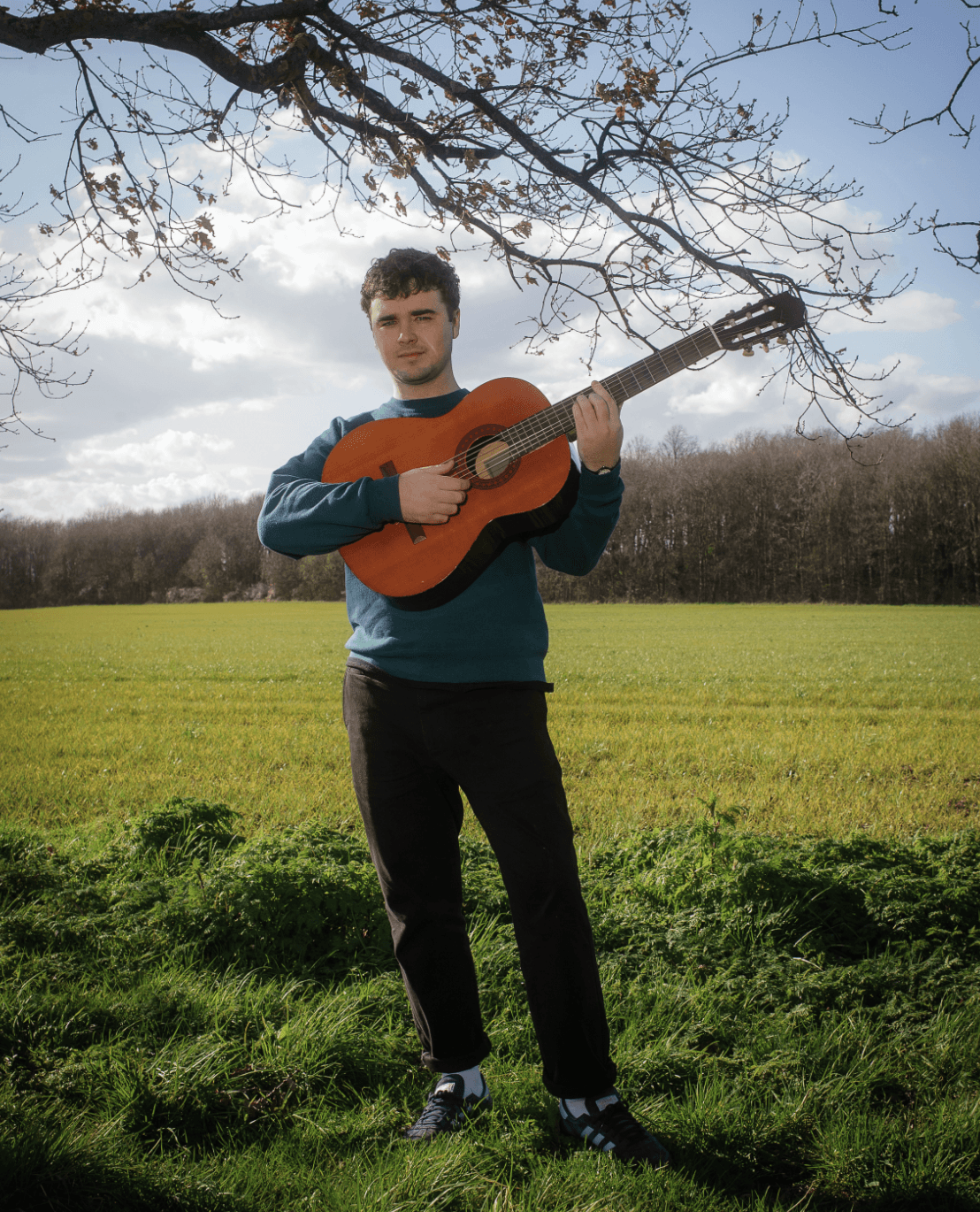
The song was originally written for an indie film but ended up sparking an entire project. What began as a piece meant to support another story became the creative heart of Silver Pony, a space where Bowen brings new life to songs that didn’t fit elsewhere.
Musically, the song mixes something interesting: it sounds modern but also has a nostalgic touch. There’s a little nod to the late ’70s style, where melody and rhythm were key without copying that sound. Everything feels deliberate: a fast pace, steady energy, and a light vibe that invites you to move without effort.
What stands out isn’t just the sound but how the project came to be. Corey Bowen didn’t want to be in the spotlight. After touring and playing festivals, sometimes sharing stages with Christopher Owens, he stepped back to focus on what mattered most to him: writing. His goal was always clear: work behind the scenes, create for others, and stay involved in music without being exposed.
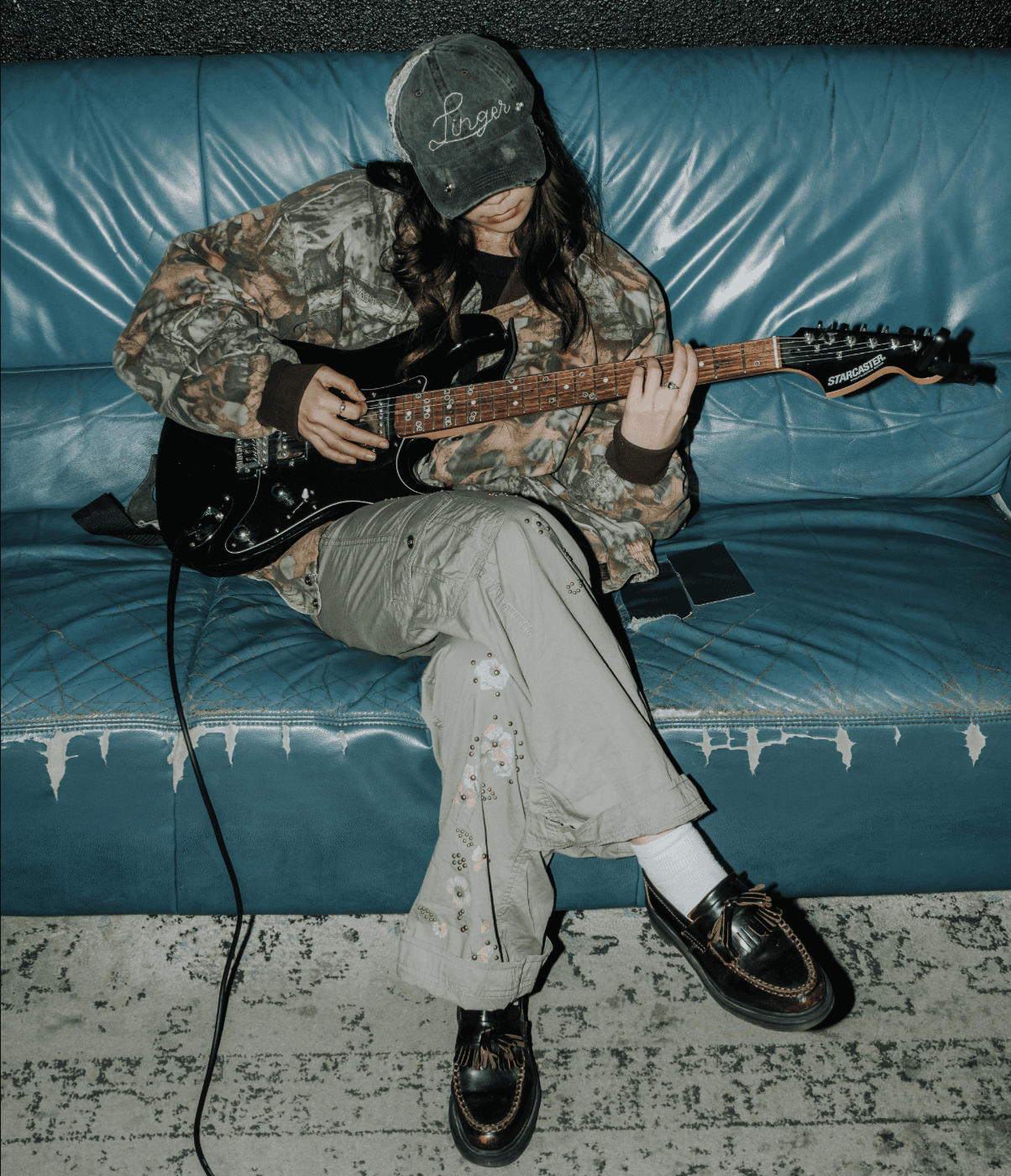
Taking inspiration from the intense sound of Mother Soki, the track balances strength and sensitivity. There’s a contained energy that gradually breaks free, as if the song itself is going through an emotional journey. This tension is important because it makes listening more than just a passive experience.
The creative process also matters a lot. Recorded in the close, personal setting of the artist’s home studio, “Weight on My Shoulders” was made from a place of comfort and closeness, which helped Ridlee connect deeply with the material. This choice gives the song a sound that feels direct and almost like a confession, not filtered or distant.
Working with producer Gabriel Lopez, Ridlee shapes those emotions into a solid structure where the production supports without overwhelming, leaving room for the message to breathe. The result is a track that doesn’t rely on tricks but on its ability to strike a chord.
From Las Vegas, Ridlee is part of a new generation of artists who value authenticity over fitting a formula. Their music aims to express, not blend in. In “Weight on My Shoulders,” that goal becomes clear: an honest look at life’s ups and downs, told from the inside.

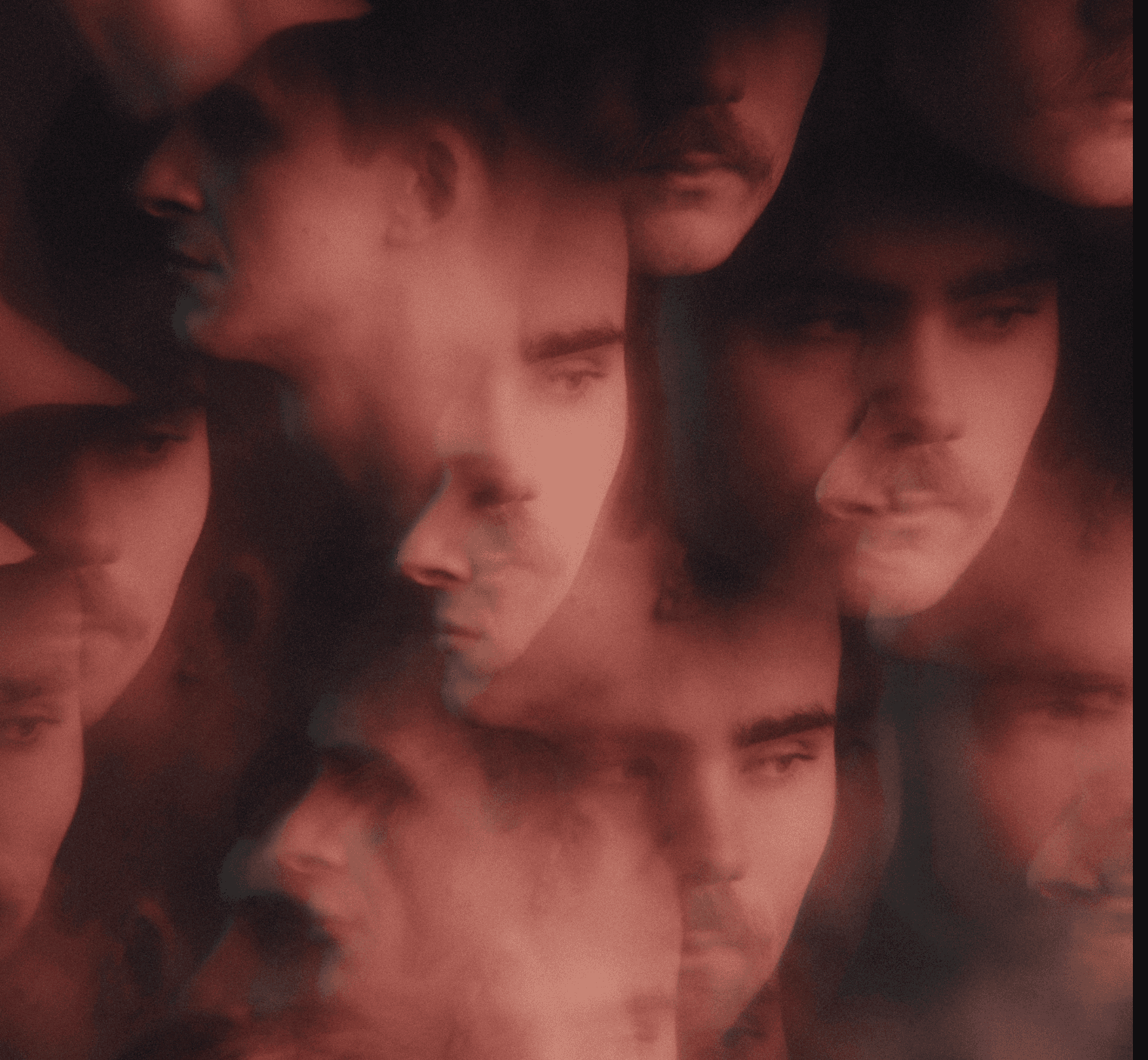
The song feels like an indie-folk journey with a cinematic touch, blending personal moments with a wider sense of space. It begins simply—with just piano and guitar—drawing listeners into an intimate, almost fragile setting. But as it moves forward, the music builds gradually, reaching a broader, almost anthem-like peak without losing its emotional core.

The song is built on a gentle acoustic base, layered with dream-pop vocals that float naturally. But beyond its soft sound, “Cats” comes from a specific feeling—watching the world fall apart through endless headlines. Instead of reacting with noise or panic, the band turns that unease into something more personal—a quiet push to keep going.